
Hiring for High Church: Staff Who Get Liturgy
Hiring for High Church: Finding Staff Who Get the Liturgy You hired someone with ten years of ministry experience. Their references were glowing. They u...
Hiring for High Church: Finding Staff Who Get the Liturgy
You hired someone with ten years of ministry experience. Their references were glowing. They understood pastoral care, managed volunteers well, and seemed genuinely excited about joining your parish. Then came Easter Vigil.
They didn't know when to light the Paschal candle. They scheduled a volunteer meeting during the Great Litany. When you mentioned the Exsultet, they nodded politely and later asked your organist what it was. You spent the holiest week of the year providing constant guidance instead of focusing on your congregation.
Here's what happened: you hired for generic ministry competency and assumed liturgical fluency would come with it. It doesn't. Understanding high church worship isn't an aesthetic preference you can pick up in a few weeks. It's a distinct skillset that shapes how staff think about everything from calendar management to crisis response.
This matters whether you're hiring clergy, administrators, music directors, or lay ministry coordinators. If your parish sits anywhere on the high church spectrum, you need people who understand that episcopal structure and sacraments aren't optional add-ons but core to your identity. The question is how to find them.
Why Liturgical Fluency Isn't on Most Job Descriptions (But Should Be)
Most church job postings ask for "Christian ministry experience" and leave it at that. The problem? That experience could mean anything. Someone who spent a decade in a non-denominational megachurch has ministry experience. So does someone formed in Anglo-Catholic tradition. These aren't interchangeable.
The spectrum between high church and low church practices is wide. High church emphasizes liturgical formality, sacraments, and hierarchical clergy structure, while low church prioritizes personal relationship with Christ and preaching over liturgical practices. Many excellent candidates come from evangelical backgrounds where the liturgical calendar, sacramental theology, and rubrics simply weren't central to their formation.
That's not a criticism. It's reality. If someone's previous ministry context treated communion as a monthly memorial and Lent as optional, they're starting from scratch in your parish. They might learn. But you need to know what you're working with.
The real issue is that administrators often don't know how to articulate liturgical fluency as a job requirement. It feels too insider, too exclusive, maybe even elitist. So you don't mention it, hire someone capable in other areas, and spend months explaining why you can't just move the baptism to a more convenient time.
What 'Getting Liturgy' Actually Means in Practice
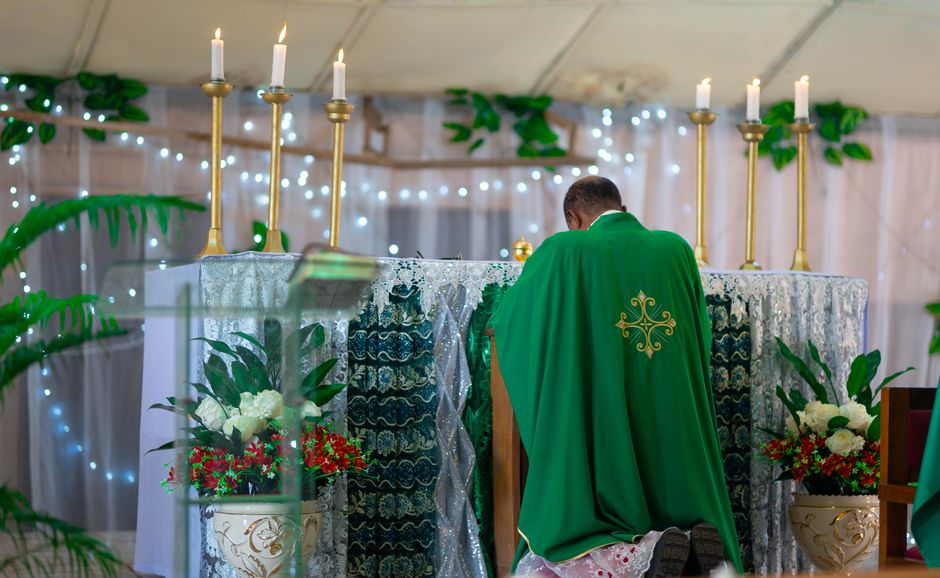
Liturgical competency works on three levels. First, knowing the structure: what happens when, in what order, using which texts. Second, understanding the theology behind it: why these words, why this movement, why now. Third, reading the room during actual worship: when to adapt, when to hold firm, when something's gone wrong and how to recover.
This isn't about perfection. It's about orientation. Staff who get liturgy think liturgically rather than programmatically. They don't see the church year as a scheduling constraint. They see it as the framework that shapes everything else.
When your parish emphasizes elaborate liturgy, traditional elements, and sacramental centrality, staff must navigate that framework instinctively. The administrator who schedules a parish celebration during Holy Week doesn't lack organizational skills. They lack liturgical orientation.
You can develop deeper competency over time. But baseline fluency must exist. Someone who's never lived inside a liturgical calendar won't suddenly start thinking that way because you hired them.
Reading the Liturgical Calendar Without Checking Their Phone
Competent staff know where they are in the church year and what that means for worship planning. Not just colours and dates. The character of the season.
Take Advent. Staff should understand its penitential character, not see it as a Christmas countdown. This affects everything. The tone of parish emails during Advent should differ from Eastertide. You don't schedule a festive fundraiser in the middle of a season of preparation and waiting. When someone suggests adding Christmas carols to the second Sunday of Advent, liturgically fluent staff know why that doesn't work.
This competency shapes daily parish operations. It's why you can't treat Lent like any other month. Why Holy Week isn't just "a busy week." Why Ordinary Time isn't ordinary in the sense of unremarkable.
Staff who need to check their phone to know whether we're in Epiphany or after Pentecost aren't going to make sound decisions about anything touching worship. The calendar isn't background information. It's the operating system.
Understanding Why We Face East (and When We Don't)
Use orientation as a metaphor. Competent staff can articulate the theology of liturgical direction, use of space, and movement. Not just follow instructions.
Why does the celebrant face a particular direction during the Eucharistic prayer? Why do we process in this pattern? Why does the Gospel get read from a specific location? These aren't arbitrary preferences. They're theological statements made through physical action.
Staff who understand this can explain it without being defensive or dismissive. When someone asks why we do things a certain way, "because that's how we've always done it" isn't an answer. Neither is "the rubrics say so" without explaining what the rubrics are trying to accomplish.
Here's the deeper test: knowing the exceptions. When ad populum celebration makes sense. How architectural constraints affect traditional practices. Understanding why your parish does something differently than the parish down the road. That shows real competency, not rigid rule-following.
Knowing the Difference Between a Preference and a Rubric
Can your staff distinguish between what's required, what's traditional in your parish, and what's personal taste? This matters more than you think.
Staff who can't make this distinction become either rigid enforcers or dismiss everything as negotiable. Neither works. The rigid enforcer treats your parish's custom of processing around the building on Rogation Sunday as if it's canon law. The dismissive staffer suggests skipping the Prayers of the People because "they make the service too long."
Your parish sits somewhere on the high church spectrum. Your specific expression of that tradition includes required elements, cherished customs, and areas of legitimate flexibility. Staff must navigate all three.
Knowing the rubrics creates freedom. When you understand what's actually required, you know where adaptation is appropriate. When you don't, everything feels equally important or equally optional.
Interview Questions That Reveal Liturgical Competency

Stop asking "Do you have experience with liturgical worship?" You'll get a yes or no, and neither tells you what you need to know.
You're listening for how candidates think about liturgy, not testing their ability to recite the Book of Common Prayer from memory. You want to understand both knowledge and pastoral sensitivity. Liturgical competency without people skills creates different problems than no liturgical competency at all.
These aren't rigid scripts. Adapt them to your context. But the principle holds: ask questions that reveal thinking, not just knowledge.
Scenario-Based Questions That Surface Real Understanding
Give candidates specific situations. A family wants their unbaptised child to receive communion. A major donor requests a non-liturgical memorial service. Staff scheduling creates conflicts with Holy Week observances. A couple wants to write their own wedding vows that don't mention God.
You're not looking for "correct" answers. You're listening for how candidates balance pastoral care with liturgical integrity. Do they immediately shut down the request? Do they cave to pressure? Do they look for ways to honour both the person's need and the church's tradition?
Strong candidates ask clarifying questions. "What's your parish's tradition around this?" "How have you handled similar situations before?" That shows they understand their previous experience isn't universal. Someone who assumes their last parish's approach is the only approach hasn't developed real competency yet.
Make your scenarios realistic. Use situations your parish actually faces, not theoretical edge cases you found in a canon law textbook.
Red Flags That Look Like Enthusiasm
Watch for the candidate more interested in liturgical aesthetics than the people being served. If they use terms like "smells and bells" unironically, that's a signal. Liturgy serves formation. When someone's more excited about the performance than the congregation's worship, you've got a problem.
The recent convert to high church worship is often still in the honeymoon phase. They've discovered incense and Gregorian chant and think everyone else should be as excited as they are. They might lack nuance about why practices matter beyond "because it's beautiful." Beauty matters. But it's not the only thing that matters.
Be cautious about candidates who dismiss their previous tradition entirely. Someone who spent fifteen years in evangelical ministry and now acts like none of it had value will probably swing to another extreme later. You want people who can integrate their experience, not reject it wholesale.
Finally, don't confuse liturgical knowledge with liturgical wisdom. Someone can cite Fortescue chapter and verse but lack pastoral judgment. Knowledge serves wisdom. Not the other way around.
What to Listen for Beyond the 'Right' Answers
Listen for humility. Candidates who can say "I don't know" or "I'd need to learn your parish's tradition" often show more competency than those with answers for everything.
Strong candidates reference specific experiences navigating liturgical complexity. Not theoretical knowledge. "At my previous parish, we had a situation where..." tells you more than "The proper approach would be..."
You want to hear curiosity about why your parish does things a particular way. Not assumptions that their previous parish's approach is standard. Every parish has its own expression of high church worship. Staff who can't adapt to local tradition won't succeed, regardless of their general competency.
Most importantly, candidates should demonstrate they understand high church worship serves the congregation's formation. It's not about institutional preservation or aesthetic preference. It's about creating space for people to encounter God through word and sacrament.
Onboarding Staff Into Your Parish's Liturgical Culture

Hiring liturgically competent staff is half the equation. They still need to learn your parish's particular expression of high church worship.
Even experienced high church staff need orientation to your community's traditions, pace, and unwritten rules. The spectrum of high church practice is wide. Your parish's location on that spectrum requires specific onboarding. What's standard practice at one parish might be unusual at another.
This applies to senior hires too. Don't assume someone with twenty years of experience can just figure it out. Intentional integration into your liturgical culture prevents misunderstandings and false starts.
The First 90 Days: Observation Before Innovation
Set a clear expectation: new staff spend their first season observing and asking questions before suggesting changes.
This isn't about stifling initiative. It's about understanding the "why" behind current practices before proposing alternatives. What looks like an inefficiency might be a carefully considered adaptation to your building, your congregation's needs, or your rector's theology.
New staff should attend multiple services, shadow different roles, and experience a full liturgical season before implementing ideas. Let them see how your parish moves through Lent, Holy Week, and Easter before they start suggesting improvements to your Lenten discipline.
This prevents the common mistake of new staff "fixing" things that aren't actually problems. They're just unfamiliar practices.
Pairing New Staff With Liturgical Mentors (Not Just Supervisors)
Administrative supervision and liturgical formation are different relationships. New staff need both.
Identify a liturgical mentor who can answer "why do we do it this way" questions without the power dynamics of direct supervision. This creates space for genuine questions. New staff won't ask their supervisor basic questions if they're worried about looking incompetent.
Mentors should be people who embody your parish's liturgical culture and can articulate it. Not necessarily the most senior staff. Sometimes your best mentor is the long-serving verger who knows every quirk of your building and tradition.
Mentors help new staff navigate the difference between rubrics and your parish's customs. They can explain why your parish does the Prayers of the People in a particular format, or why you always process through the parish hall on certain feast days, or why the rector has strong feelings about when to use Rite I versus Rite II.
When Competency Meets Your Parish's Particular Tradition
"Getting liturgy" must ultimately mean getting your liturgy. General high church competency needs local application.
The goal isn't liturgical uniformity across Episcopal churches. It's staff who can faithfully serve your community's expression of high church worship. Your parish has its own rhythm, its own emphases, its own way of balancing tradition and adaptation.
When hiring and onboarding align, you get staff who don't just follow the liturgy. They help the congregation enter it more deeply. They anticipate needs before they become problems. They make sound decisions about scheduling, communication, and pastoral care because they're thinking liturgically.
That hire who seemed perfect on paper but couldn't navigate Easter Vigil? The problem wasn't their ministry experience. It was the mismatch between their formation and your parish's needs. You can avoid that by being clear about liturgical competency from the start.
If you're struggling to find candidates who understand high church worship, platforms like Churchjobstoday can help you connect with professionals who already have liturgical formation. The right hire understands that liturgical competency ultimately serves the congregation's worship and formation, not institutional preservation.