
How Growing Churches Manage Major Events Flawlessly
How Growing Churches Manage Major Events Without Dropping the Ball Picture this: Easter Sunday morning, your biggest service of the year. You're expecti...
How Growing Churches Manage Major Events Without Dropping the Ball
Picture this: Easter Sunday morning, your biggest service of the year. You're expecting 400 people—double your usual attendance. The parking team didn't show up. The sound system is cutting out every thirty seconds. A volunteer just told you the children's ministry area is at capacity and there are still families arriving. You're standing in the foyer watching newcomers walk through the door, and you know this chaos is their first impression of your church.
This isn't a nightmare scenario. It's what happens when growing churches treat major events like scaled-up versions of regular Sunday services.
The reality is that growth changes everything. More attendees means more complexity, more visibility, and higher stakes. A flawless Easter service can energize your volunteer base and attract families who've been church-shopping for months. A chaotic one creates negative word-of-mouth that takes years to overcome.
But here's the good news: flawless execution isn't luck. It's a learnable system. Growing churches that consistently pull off major events without dropping the ball use a framework approach—one that prevents chaos before it starts and builds capacity as you scale. This article walks you through that framework, from risk-first planning to the post-event debrief that compounds your success.
Why Major Events Make or Break Growing Churches
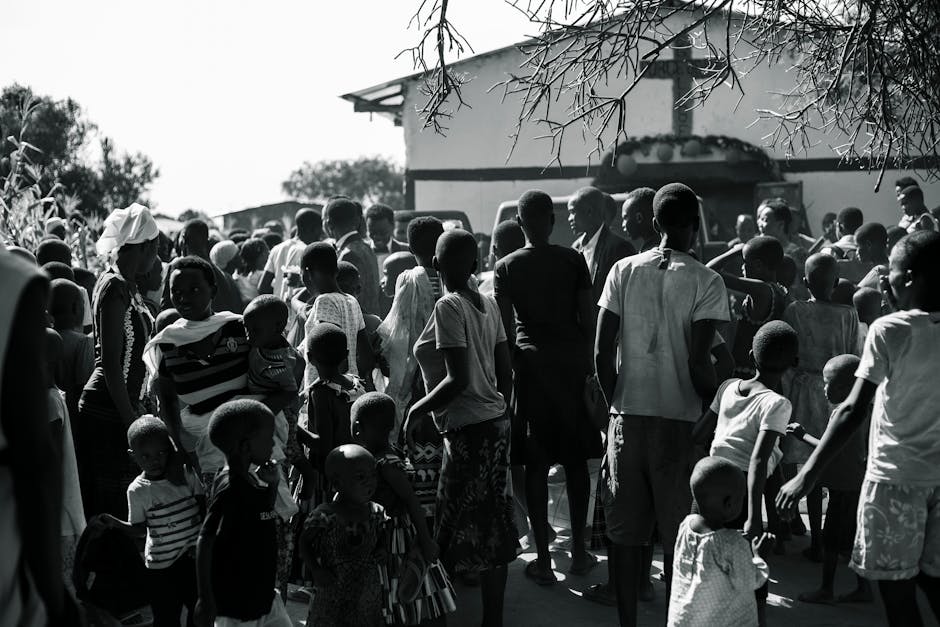
Major events—Easter, Christmas, community outreach days, fundraisers—are high-visibility moments where first impressions are formed and community trust is either built or damaged. For growing churches, these events carry unique pressure. You're scaling attendance but often lack the infrastructure of established megachurches. You're working with volunteer teams who are willing but not always experienced. You're managing budgets that don't stretch as far as you need them to.
The compounding effect is real. A well-executed event attracts newcomers who become regular attendees. It energizes volunteers who see their effort making a tangible difference. It builds momentum that carries into the following months.
A chaotic event does the opposite. Newcomers don't return. Volunteers burn out. Your communications director spends weeks managing damage control instead of building engagement. The stakes aren't theoretical—they're operational and relational.
Growing churches face a specific challenge: you're no longer small enough to wing it, but you're not yet large enough to have dedicated event staff. This is the zone where systems matter most. Without them, every major event feels like reinventing the wheel under pressure.
The Framework: Three Pillars That Prevent Event Chaos
Successful growing churches don't rely on heroic effort or last-minute improvisation. They use a three-pillar framework that creates structural stability as complexity increases.
The three pillars are Risk-First Planning, Committee Structure, and Budget Architecture. They work together as a system, not isolated tactics. Risk-first planning identifies what could go wrong before you commit resources. Committee structure ensures clear decision-making and accountability. Budget architecture prepares you for both expected costs and unexpected contingencies.
This framework is designed for churches in growth mode. It scales with you. A church expecting 200 people at a community outreach event uses the same framework as one expecting 800—the depth and detail adjust, but the structure remains consistent.
The key is that these pillars support each other. Your risk assessment informs your budget. Your committee structure ensures risk plans are actually implemented. Your budget architecture gives the committee room to respond when plans need to change. Together, they create the foundation that makes everything else possible.
Pillar 1: Risk-First Planning (Before You Book Anything)
Risk assessment should happen before you book a venue or set a budget. This isn't about being pessimistic—it's about identifying potential hazards so you can design around them.
The risk management process is cyclical: identify, assess, monitor, review, and modify plans as circumstances change. For church events, this means thinking through crowd control, emergency response, access issues, and safety protocols before you commit to anything else.
Specific examples matter here. Parking overflow is a common issue for growing churches—where do cars go when your lot fills up? Do you have an agreement with a nearby business? Have you communicated with local authorities about temporary parking arrangements? Child safety protocols need to be defined: who's authorized to pick up children, how are they identified, what happens if a parent can't be located? Weather contingencies for outdoor services: what's your backup plan, and at what point do you activate it? Medical emergencies: who's trained in first aid, where's the nearest hospital, and how do emergency services access your venue?
Communication with local authorities and emergency services should happen early in the planning phase, not the week before your event. They need to know what you're planning, how many people you're expecting, and what support you might need. This isn't bureaucratic box-ticking—it's the foundation that makes everything else possible.
Pillar 2: The Event Committee Structure That Actually Works
An Event Committee isn't just a group of willing volunteers. It's a team with diverse skills and clear decision-making authority. The difference between a functional committee and a chaotic one is role clarity and communication lines.
Key roles you need: an overall coordinator who owns the event outcome, a risk and safety lead who monitors hazards and implements protocols, a volunteer coordinator who recruits and briefs team members, a communications lead who manages internal and external messaging, a budget manager who tracks costs and approvals, and a venue and logistics coordinator who handles physical setup and equipment.
These roles don't need to be full-time positions. In growing churches, one person often wears multiple hats. But the roles themselves need to be defined and owned. When something goes wrong, everyone should know who makes the call.
The committee should use the S.M.A.R.T. goal-setting framework to define event objectives: Specific, Measurable, Achievable, Relevant, and Time-bound. This prevents vague aspirations like "have a great outreach event" and forces clarity around what success actually looks like.
Don't make committees larger than necessary. Right-sized teams with clear accountability outperform large groups with diffused responsibility every time.
Pillar 3: Budget Architecture for the Expected and Unexpected
Comprehensive budgets must account for both expected costs and unexpected contingencies. For growing churches, a 10 to 15 percent buffer is standard practice—not optional padding, but necessary room for the realities of event execution.
Break down your budget into clear categories: venue costs (rental, insurance, permits), equipment and tech (sound, lighting, AV, rentals), volunteer support (meals, appreciation, training materials), third-party contractors (catering, security, entertainment), marketing and communications (printing, digital ads, signage), and an emergency fund for genuine surprises.
Fundraising activities may be necessary for larger events and should be factored into your timeline. If you're planning a community festival in six months and need to raise $8,000, that fundraising needs to start now, not eight weeks out.
Track actual versus budgeted costs throughout the planning process and after the event. This isn't just financial accountability—it's learning data. When you discover that volunteer meals always cost 20% more than you budget, you adjust for next time. When you find that digital marketing delivers better ROI than printed flyers, you reallocate resources.
Growing churches often work with limited resources. Budget architecture isn't about having more money—it's about deploying what you have with precision and building knowledge that improves with each event.
The 72-Hour Pre-Event Protocol

The final 72 hours before your event is when planning transitions to action. This isn't a frantic scramble—it's a systematic checklist approach designed to confirm readiness across all areas and catch last-minute issues before they become event-day disasters.
This protocol is the difference between reactive firefighting and proactive confirmation. It doesn't replace earlier planning; it's the final verification layer that ensures everything you've planned is actually ready to execute.
Venue Walkthrough and Authority Coordination
The physical venue walkthrough is non-negotiable. Walk every access point. Check emergency exits—are they clearly marked and unobstructed? Verify signage placement: can newcomers find parking, the main entrance, children's areas, and restrooms without asking? Test equipment setup: does the sound system work, are microphones charged, is the projector functioning? Review parking flow: where do cars enter, where do they exit, where are overflow areas?
Accessibility compliance matters. Are there ramps for wheelchairs? Is there accessible parking close to the entrance? Are restrooms accessible?
Final coordination with local authorities, security, and emergency services confirms response protocols and contact details. Verify that permits are in place, insurance certificates are current, and any required documentation for the venue is complete and accessible.
Many churches skip this walkthrough and discover issues on event day when it's too late to fix them properly. Don't be one of them.
Volunteer Briefing and Role Confirmation
Volunteers need proper training, clear role assignments, and personal protective equipment where necessary. They're essential to event success, but only if they know what they're doing and feel prepared.
The briefing process: confirm attendance (who's actually showing up), review specific responsibilities (not just "help with parking" but "direct cars to overflow lot when main lot is full"), provide emergency contact information (who do they call if something goes wrong), and establish check-in and check-out procedures (so you know who's on-site at any given time).
Screening requirements for volunteers working with children and vulnerable populations aren't optional. Make sure these are completed well before the 72-hour window.
Have backup volunteers identified for critical roles. When your parking coordinator doesn't show up on event day, you need someone who can step in immediately, not a frantic phone call chain trying to find anyone available.
If you're managing a growing church and need help building a reliable volunteer team for major events, Churchjobstoday specializes in connecting faith-based organizations with skilled professionals who understand the unique demands of ministry work.
Communication Cascade and Incident Reporting Lines
Define the communication cascade before the event starts: who reports to whom, how information flows during the event, and how decisions are escalated. This sounds basic. It rarely is.
Establish clear incident reporting procedures for all volunteers, staff, and contractors. What constitutes an incident requiring immediate reporting? Medical emergencies, safety hazards, security concerns, and significant operational failures all qualify. Minor issues—a volunteer running late, a microphone battery dying—don't need to go up the chain.
Specify communication tools: radios for key coordinators, group messaging apps for broader teams, phone trees for emergency escalation. Have backup methods if primary systems fail. If your group messaging app goes down, what's the fallback?
Create a simple decision matrix for common scenarios so volunteers know when to act independently versus escalate. A child with a scraped knee? The children's ministry volunteer handles it. A child who can't breathe? Escalate immediately.
Clarity and simplicity are essential under pressure. Complicated systems break down when stress increases.
The Post-Event Debrief That Compounds Your Success

The debrief process is what transforms a good event into repeatable excellence. It captures lessons while they're fresh and builds institutional knowledge that improves with each iteration.
Structure your debrief: gather feedback from the committee, volunteers, and attendees. Review what worked, what didn't, and what was unexpected. Document specific improvements for next time—not vague aspirations, but concrete actions with ownership.
Use analytics from event management tools to provide objective insights into attendee engagement and event performance. How many people registered versus attended? Where did registration drop-offs occur? Which communication channels drove the most engagement?
Create a living event playbook that evolves with each iteration. This isn't a report that gets filed away—it's the operational manual for your next major event. When a new volunteer coordinator joins your team, they should be able to read the playbook and understand what worked, what failed, and why.
Celebrate wins and acknowledge volunteer contributions as part of the debrief culture. People need to know their effort mattered and that the church leadership noticed. This isn't soft stuff—it's what keeps volunteers engaged for the next event.
The debrief is the competitive advantage that separates growing churches from stagnant ones. Churches that learn compound their success. Churches that don't keep making the same mistakes.
If you're looking to build a team that can execute this level of event management consistently, Churchjobstoday connects growing churches with experienced ministry professionals who bring the skills and systems you need to scale without chaos.